How to Choose Aluminium Sliding Doors
The Rewards of Fitting Energy-Conserving Sliding Doors in Your Home
Energy-efficient sliding doors represent a sensible approach for homeowners aiming to bolster their living spaces. These doors not only optimize insulation but also provide an bounty of natural light, which can reconstruct the ambiance of any room. Their modern design can augment a home's aesthetic appeal and market value. However, the benefits move beyond aesthetics and comfort, compelling a closer evaluation of their overall impact on home efficiency. What matters should homeowners heed?

How Pocket Doors Solve Energy Efficiency Problems?
Sliding doors, being visually stunning, play a important role in enhancing energy efficiency within homes and commercial spaces. Their design allows for ample natural light, reducing the need for artificial lighting during the day. This natural illumination not only enriches interiors but also contributes to lower energy consumption.
In addition, modern sliding doors are often equipped with advanced weatherproofing measures and high-quality glass work, which lessen air seepage. This curtails air drafts and helps preserving a regular indoor temperature, ultimately reducing energy expenditures.
Additionally, the considerable glass panels can be crafted to deflect heat during the summer and retain warmth in the winter, even more supporting energy savings. By incorporating sliding doors into their architecture, homeowners and businesses can achieve a balance between appearance and eco-consciousness, producing a more efficient energy footprint while boosting the overall mood of their spaces.
Why Sliding Glass Doors Increase Your Home's Insulation
While many homeowners focus on appearance, the insulation benefits of sliding doors are equally significant. Energy-efficient sliding doors are designed to minimize heat transfer, effectively keeping homes heated during cold months and chilled during warm months. They often include multi-chamber frames and insulated glass, which combine to decrease energy waste.
Furthermore, these doors often come furnished with draft-blocking materials that stops drafts, even more enhancing thermal performance. By creating a tighter seal, sliding doors help keeping a consistent indoor climate, lessening the reliance on heating and cooling systems. This simultaneously produces enhanced comfort but also supports lower energy bills.
Moreover, superior insulation helps minimize outdoor noise pollution, establishing a calmer home environment. In total, the thermal insulation characteristics of eco-friendly sliding doors supply tangible advantages that enhance the home's energy efficiency while maintaining a comfortable living space.
Why Daylight Plays a Key Role in Your Home?
Natural light serves as a crucial factor in improving the atmosphere and usability of a home. It creates an inviting atmosphere, making spaces feel larger and more open. The amount of sunlight can also enhance emotional health and happiness, contributing to a more cheerful living environment. Research suggests that exposure to natural light can enhance concentration and efficiency, making it particularly beneficial in workspaces within the home.
Moreover, sunlight can cut energy consumption by reducing the reliance on artificial lighting during the day. This pertinent information not only reduces electricity bills but also minimizes the overall environmental impact. Also, homes awash with natural light often seem more aesthetically pleasing, effectively showcasing interior design elements. By integrating energy-efficient sliding doors, homeowners can enhance the amount of natural light while keeping energy efficiency, eventually increasing both comfort and visual appeal within their living spaces.
Improving Curb Appeal Through Sliding Doors
Installing high-performance sliding doors can greatly enhance a home's exterior appearance, as they combine practicality with contemporary design. These doors function as a eye-catching centerpiece, drawing attention and inviting passersby to appreciate the home's design. Available in multiple design options and colors, high-performance sliding doors can complement diverse building styles, from contemporary to classic.
The spacious glass panels allow natural light to fill interior spaces, creating an welcoming atmosphere that extends the living area outdoors. This seamless shift improves the home's overall appeal, rendering it feel larger and more open. Additionally, homeowners can select options that reflect their personal style, strengthening their unique identity.
Furthermore, the clean edges and minimalist design of sliding doors promote a modern look, making the property more appealing to potential buyers. By investing in high-performance sliding doors, homeowners not only improve appearance but also increase the property's worth and market appeal.
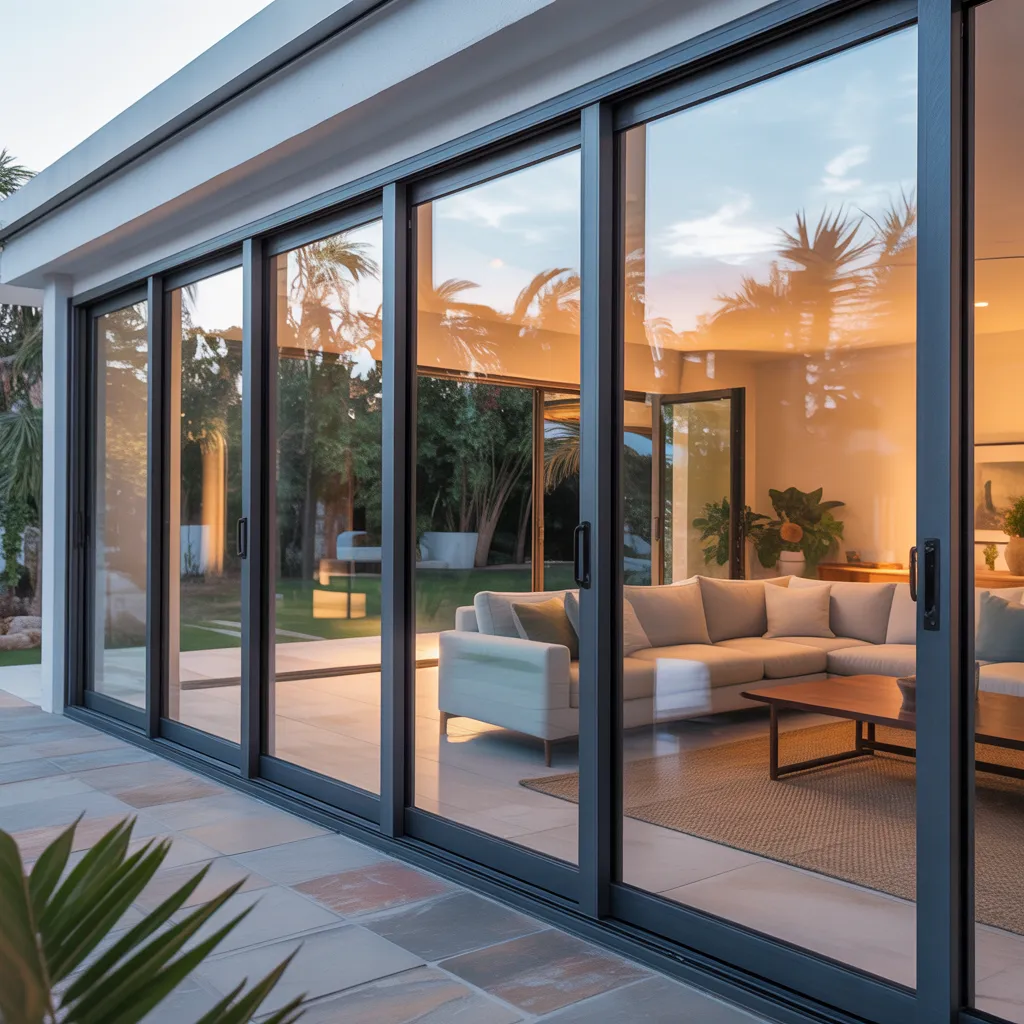
Picking Components for Energy-Efficient Sliding Doors
Finding the appropriate choices for energy-efficient door units is critical to maximizing their operation and visual appeal. Conventional options feature vinyl, fiberglass, and wood, each offering unique advantages. Vinyl is famed for its excellent thermal properties and low maintenance demands, rendering it a popular choice. Fiberglass provides durability and immunity to warping, while also providing solid energy efficiency. Wood, though aesthetically pleasing, often demands increased care and may require additional insulation to meet energy standards.
The selection of glass treatment also plays a vital role. Multi-pane glass with low-emissivity treatments can greatly reduce heat transfer, improving energy performance. Additionally, selecting window frames with thermal breaks can further improve thermal insulation. Ultimately, a careful evaluation of material choices, paired with energy-efficient features, guarantees that sliding door systems not only improve the home's aesthetic appeal but also lead to lower energy costs and greater comfort.
Instructions for Installing Energy-Efficient Sliding Doors
To install eco-friendly sliding doors, meticulous planning and execution are required to ensure maximum performance and longevity. Begin by measuring the existing door frame accurately to guarantee a proper fit. The old door must be removed with caution, taking care not to harm the surrounding structure. After preparing the area, place the new sliding door into the frame. It is essential to confirm that the door is straight and plumb; shims may be used for necessary adjustments. Proper insulation around the frame is crucial after securing the door to stop air leaks. Weather stripping should be part of the installation to improve energy efficiency. Finally, test the door’s operation to ensure seamless sliding and that locking mechanisms are secure. This systematic method not only improves energy efficiency but also adds to the look and functionality of the home.
Top Strategies for Servicing Sliding Doors
Proper installation of energy-efficient sliding doors establishes the foundation for their longevity, but continuous maintenance is just as crucial to confirm peak operation. Frequent wiping is necessary; tracks should be emptied of dirt and debris to prevent obstruction and guarantee smooth functioning. Homeowners should inspect the weatherstripping periodically for any wear or damage, replacing it as needed to maintain energy efficiency.
Lubricating the cylinders and tracks with a silicone-based spray can enhance functionality and minimize wear. Checking the doors' alignment is also advisable; misalignment can cause gaps that compromise energy efficiency. In addition, checking the glass for fractures or breaks can help prevent further damage and energy loss. By following these best practices, homeowners can prolong the life of their sliding doors while optimizing their energy-saving benefits. Routine maintenance improves aesthetics and helps overall home comfort.
Common Questions Posed Regularly
How Much Do Average Eco-Friendly Sliding Doors Price?
Typical expenses for energy-saving sliding doors usually range from $800 to $3,000, based on materials, size, and installation. Property owners should reflect on long-term savings on energy bills when examining their financial commitment in these doors.
How Do Sliding Doors Stack Up to Traditional Doors in Energy Efficiency?
Sliding doors generally provide superior energy efficiency compared to traditional doors, mainly due to their advanced insulation and sealing technologies. This design minimizes air leaks, improving thermal performance and reducing heating and cooling costs in homes.
Is it Feasible to Retrofit Current Doors for Superior Energy Efficiency?
Upgrading existing doors for better energy efficiency is feasible through weatherstripping, applying insulation, or installing energy-efficient glass. These changes can enhance insulation and lower energy loss, making older doors more efficient without full replacement.
Do Energy-Efficient Sliding Doors Qualify for Tax Credits or Refunds?
Energy-efficient sliding doors may qualify for tax credits or rebates, depending on local and federal programs. Homeowners should review specific eligibility requirements and consult with tax professionals to increase potential financial benefits.
What Coverage Options Do Energy-Efficient Sliding Doors Offer?
Different guarantees for energy-efficient sliding doors consist of manufacturer warranties, which typically cover defects for 10-20 years, and lifetime coverage plans that may protect specific components. Property owners should examine terms to guarantee sufficient protection against potential issues.